

Bright lights, hot city: Night-time illumination spikes during heatwaves
It reveals how people's activity changes when extreme heat strikes

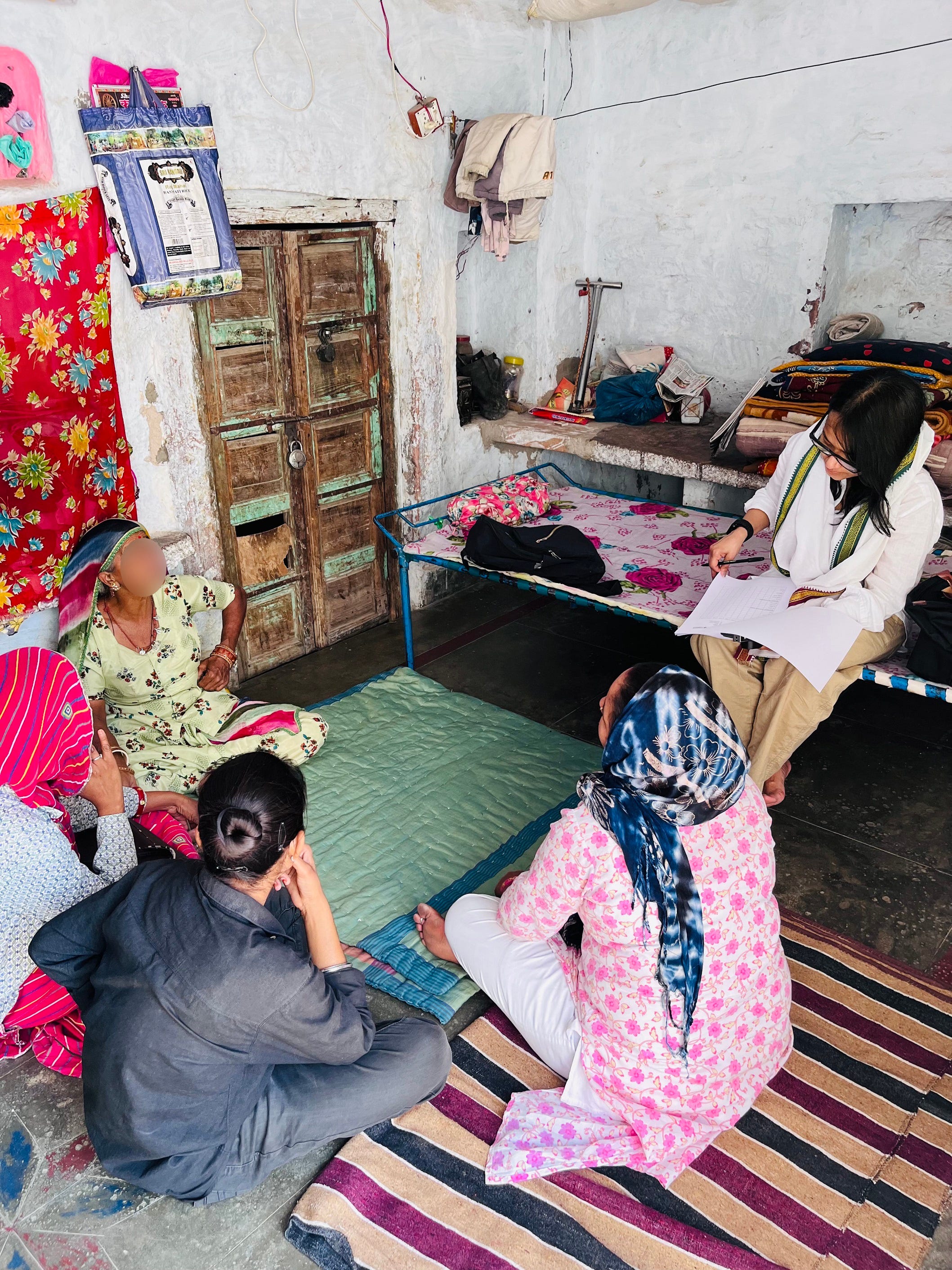
Getting through the heatwave was all about making it to the evening. That’s when the sun would finally begin to relent, and the people of Jodhpur, a city in north-eastern India, could at last go outside, to sell wares at their local bazaar. And their children could go to school in less dangerous temperatures.
“Every member of the family was inside the home,” says Ronita Bardhan at the University of Cambridge, who conducted afternoon interviews with residents of Jodhpur during a heatwave in March this year. “They all said, ‘We are waiting for four o’clock, or five o’clock’.”
Bardhan realised that this was a community-level adaptation to heat. And one that was likely happening more often because of climate change.
Eye in the sky
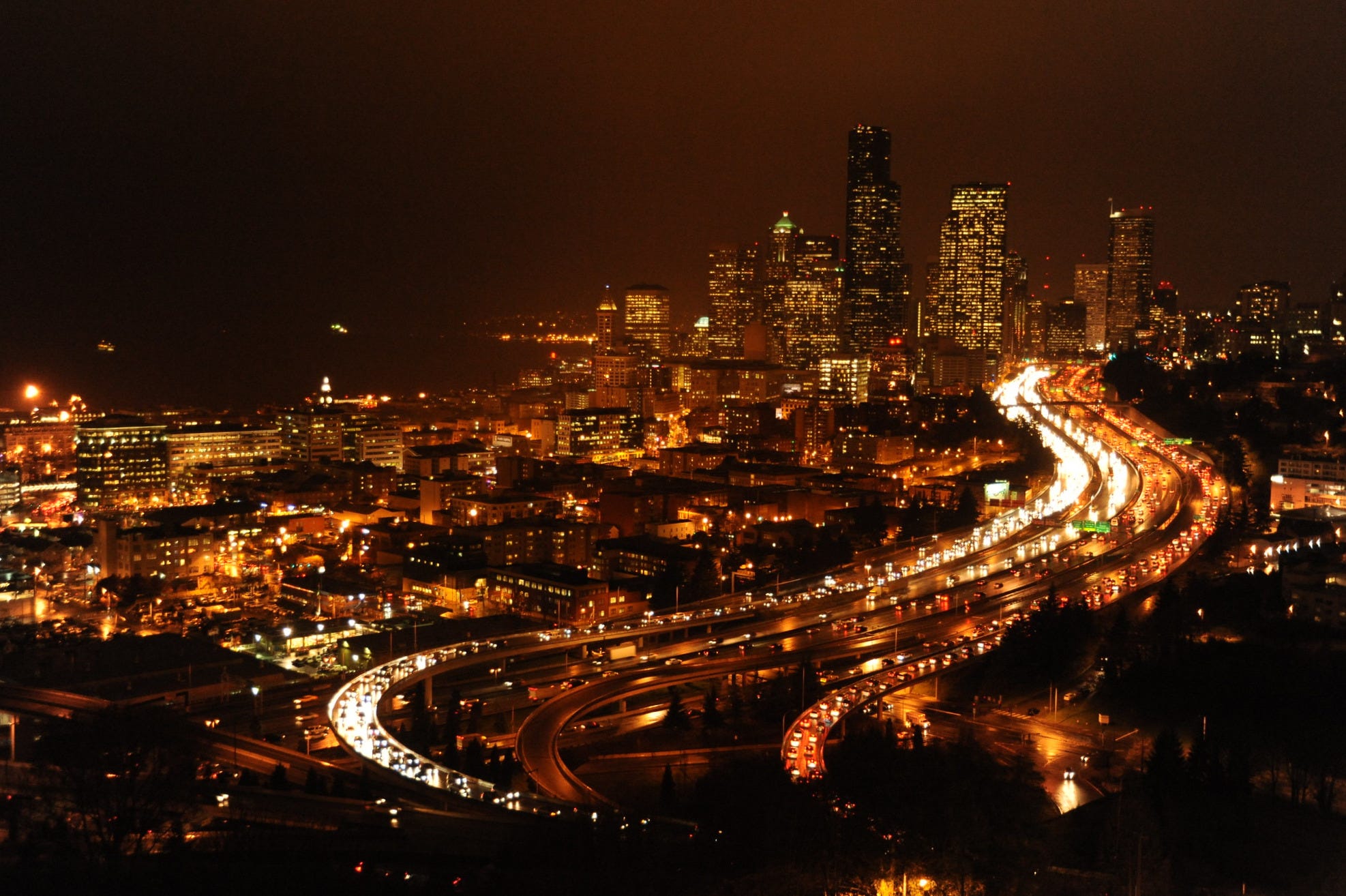
It’s possible to watch it all unfold from above, on a massive scale. In a study published last month, Bardhan and colleagues discussed how satellite images of cities in the Global South reveal how, during heatwaves, electric lights are used much more widely at night than normal.
“Urban functions are shifting to night-time in these cities,” says Bardhan. “At least for the first two days [of an extreme heat event], it’s very pronounced.”
She and her colleagues analysed satellite data captured between 2013 and 2019, representing four cities: Delhi in India, Guangzhou in China, Cairo in Egypt and São Paulo in Brazil. They found that during periods of unusually hot weather, light emissions from most of these cities noticeably increased when short-lived heatwaves occurred.
The triggering temperatures for defining a heatwave varied, depending on the city in question. It was 27C in Sao Paulo, for example, but 37C in Delhi. “Delhi already has been experiencing extremely hot summers,” says Bardhan. She notes that in this city, unlike the other three, there was no statistically significant change in night-time light emissions during short heatwaves. In India, behavioural adaptations – where people are more active during the evening due to high daytime temperatures – already appear to be commonplace.
But short, sharp, severe heatwaves are, globally speaking, becoming more frequent. Bardhan questions whether extreme heat, and associated night-time activity, will begin to have consequences for electricity grid operators in more countries.
Should people occasionally stay up later, or where possible choose to go to work at night, then that could noticeably affect demands on the grid at times normally considered off-peak. “Probably, more energy needs to be pumped into cities during the night-time,” says Bardhan. She worries that policymakers are currently “blind” to this.
Especially in countries that increasingly rely on solar energy, this could raise requirements for energy storage as solar energy production tails off during the evening even as cities continue to bustle.
Shifting peaks
Consider all the other things people must be up to if the lights are on. You can assume that many different appliances are running. Air conditioners. Cookers. Hair-dryers.
If people are working or engaged in leisure activities during the evening to a greater extent than normal, then evening demand for cooling, in particular, could shift peak summer electricity grid loads from mid-afternoon to later in the day, says Richard Lowes, team lead at Regulatory Assistance Project, an energy-focused non-profit.
Ensuring that communities exposed to extreme heat have access to cooling tech, such as air-to-air heat pumps or air conditioners, is an “equity issue”, he says.
Domestic solar panels and battery storage can drive down emissions and running costs for those technologies – while potentially helping to stabilise the grid, adds Lowes: “Governments have got to be really thoughtful about the support they offer those technologies because you want to make sure that the people who need it the most have access to that cheap power.”
Really, the change in night-time light intensity is just a glimmering proxy for emerging behaviours. An unmissable beacon that says, “People’s lives are changing.”
Further reading on this week’s story
Satellite images are very useful for studying how cities are adapting to climate change – in lots of ways. This story from BBC Future explores satellite imagery to reveal how some urban locations are installing green space and white roads, among other measures, in response to rising temperatures.
In September, the World Bank issued a handbook detailing various extreme heat management strategies for cities in the Global South.
A paper published last year reported on inequalities in terms of access to cooling tech around the world.
Thanks for reading! If you enjoyed this story, don’t forget to share it with your friends and colleagues. You can also subscribe to The Reengineer and follow me on Bluesky.