


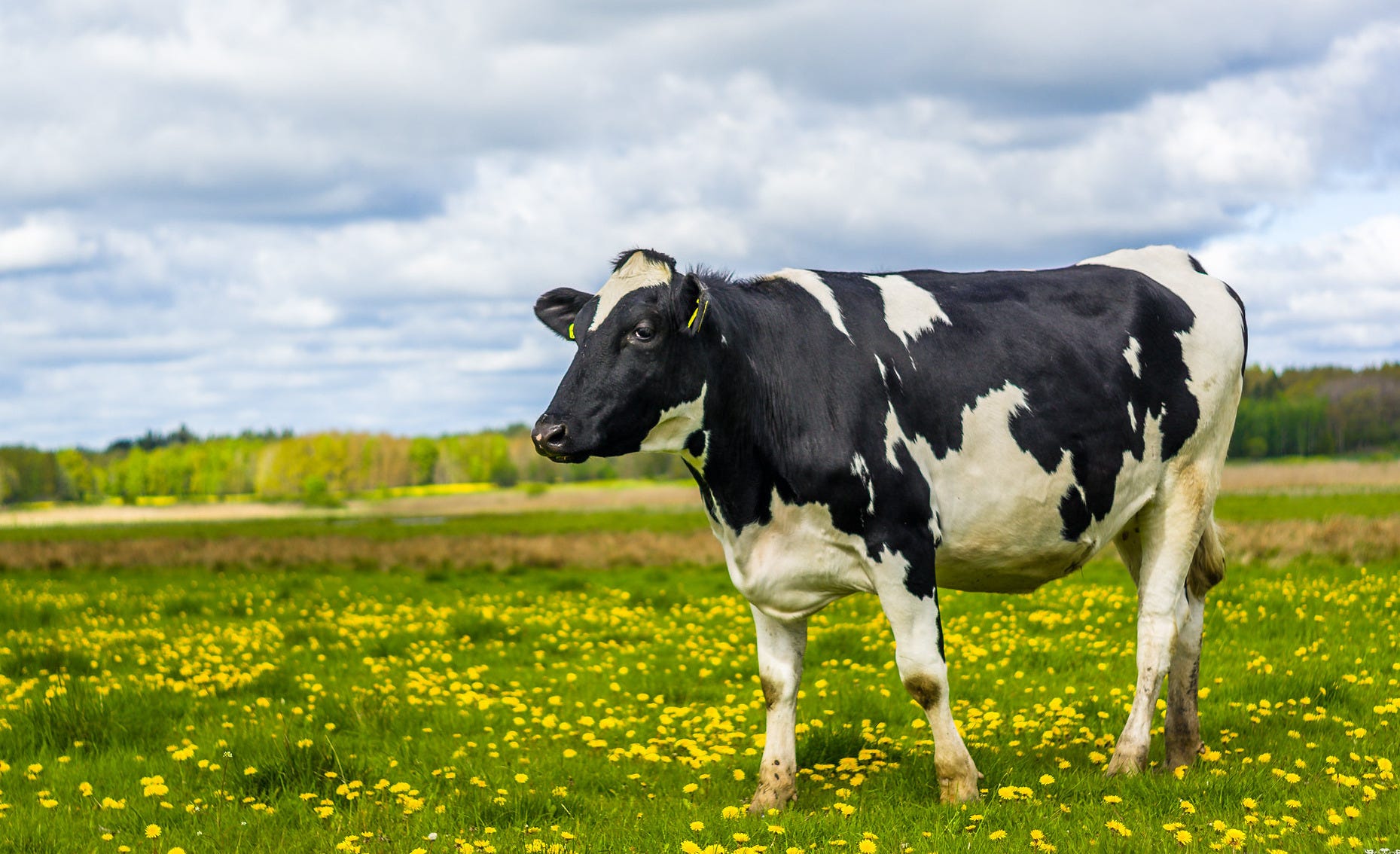
Heat pumps move heat, as regular readers probably already know. But a key question is: “From where, exactly?” A recent story by Canary Media gave one unexpected suggestion: fresh cows’ milk, still warm from its bovine producer.
You see, a nearly 200-year-old cheddar cheese-making business in England has been using heat pumps to cool the milk, and then utilising the recovered warmth to heat water used in dairy operations. Barber’s Farmhouse Cheesemakers has relied on the system since 2024 and it has cut the firm’s electricity bill in half, saving £70,000 per year.
“It is just a wonderful feeling […] when we can save energy, save on the bottom line, and reduce our carbon footprint,” Chris Barber, farm director, told Canary Media.
It reminded me of the fact that various heat pump systems don’t just go for the most obvious source of heat. Air-source is boring, let’s face it. Nearby bodies of water? Passé. And the ground, come on, it’s just too dull, man.
More unusual sources of heat tapped by heat pump systems include shower wastewater, compost piles and even hot water systems in beverage factories. Consider also the sewage that provides heat for heat pumps supplying homes in Vancouver. This approach can also be found in many other cities.
Not only that, a heat pump firm I spoke to for this BBC Future story on hospital air conditioning told me that they supply systems that cool down wards and then send the recovered heat to the hospital’s laundry rooms, where it helps in the process of cleaning linens.
It made me wonder: what other weird and innovative heat pump heat sources are out there? If you know of any good examples, get in touch and tell me!
Question and answers
Long-time friend of The Reengineer Kevin Kircher, at Purdue University in the US, asked a very interesting question on Bluesky recently. He got nearly 150 replies ranging from home solar panels to water-saving tech and air-sealing of buildings. Many climate adaptations are also mitigation solutions and the discussion Kircher sparked really highlights where that crossover happens. He was “thrilled” by the replies, he tells me. “I learned a lot about themes that were new to me. People get really excited about mangroves and peat bogs, for example.” Both mangroves and peat bogs help take carbon out of the air and sequester it long term, and they also reduce flood risks by absorbing rainfall or storm surges, he adds. Mitigation and adaptation happening at the same time.
The Reengineer Monitor – Stories in climate change and adaptation from around the world
Investigators have released more information about the shocking train derailment that happened near Lewes in southern England on 13 August during extreme heat. Crucially, they have established that a curved defect in the track was present before the ill-fated train ran over it. Teams continue to assess whether the high temperatures that day, or other factors, could have caused that defect to form.
