

We live by the river
Desperate efforts are afoot as Europe's most important waterways suffer from drought

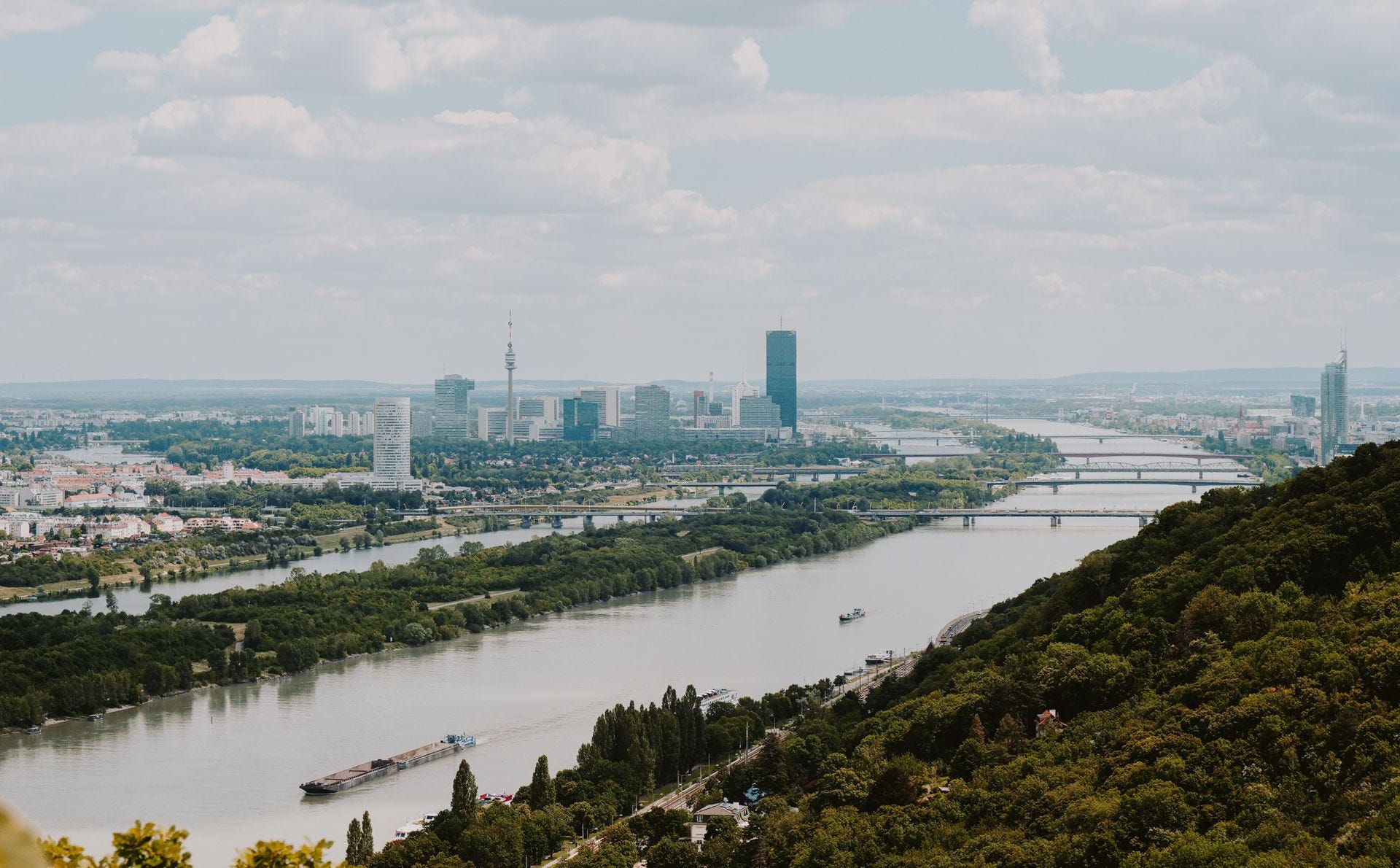
This week started with a bang. At one bucolic juncture on the Danube river, tranquillity was shattered when 180kg of explosives detonated, sending water, rock fragments and sediment upwards in a violent plume. Birds squawked and scattered. A handful of assembled journalists and onlookers gawped in awe.
So egregious is our climate predicament, and so low is the water level of the nearly 3,000km-long Danube that at least one nation, Romania, has taken to bombing it, in an attempt to wriggle out of an energy crisis.
The idea in this case was to blast away rock, deepening an underwater channel in the river so that water could flow more freely towards the nuclear power plant at Cernavodǎ. Romania’s only nuclear power facility, it relies on river water to cool its reactors but almost had to completely shut down in recent days due to record low water levels.
Authorities also planned to sink four barges at another location on the river nearby, with the aim of further encouraging water in the direction of the power plant. On Tuesday, Romania’s Defence Minister said the water level near Cernavodǎ had increased by 2cm, claiming this as proof the explosive intervention had worked.
Certainly, the whole country was hoping for a good result. Because of poor electricity generation in Romania lately, industrial facilities and factories have been forced to cease production. The population was urged to use less electricity – and a month-long state of alert was declared.
Similar measures also emerged in neighbouring Hungary, where the Danube has left that country’s sole nuclear power plant gasping for cooling fluid. Decorative lighting around the capital Budapest was dimmed this week in a bid to save power.
The sight of the Romanian explosion made me think about how difficult the climate crisis is to overcome. How intractable its consequences. Supposedly mighty rivers like Europe’s Danube, Rhine and Po are all currently at startling lows. Yes, countries can store relatively small amounts of water in tanks, reservoirs and underground cisterns – as they do in an impressive facility in Barcelona, for instance. But of the many climate horsemen that speed towards us, drought is insidious partly because of the vastness of the problem it creates. Sprawling regions parched and troubled. Essential power plants left teetering on the brink.
180kg of explosives.
There are some fascinating engineering solutions to dwindling river levels, not all so dramatic. Drought in recent years has forced ship builders to come up with new barge designs – with reoriented propulsion systems that function in very shallow water, for example. We’re likely to see more such adaptations in the coming years.
But even I must admit that a shadow lies across this manoeuvring, this reengineering. Everyone aiming to tackle climate change, and adapt to an unfamiliar world, knows the challenges they face are still, dauntingly, multiplying.
The words of a favourite song come to mind.
“They raised up their idols, protected their own, walked on dinosaur bones.
Spread a pestilent nature from mountain to sky
Until the rivers ran dry
And the rivers ran dry
That they owned”
Where blades shelter fins
In case you missed it, my story about how wildlife colonises offshore wind farms was published this week by the good people at Atmos. It was a total pleasure to write. I spoke to a wind turbine technician who was overjoyed on the job when he spotted a seal swimming inside an offshore wind turbine’s tower, for example. The video he took on his smartphone is below.
I also discussed the possibility of boosting the biodiversity living in and around wind turbine foundations out at sea. Turbines aren’t always good news for wildlife – noise created during installation works and bird-strikes on the giant structures are well-known problems. But, clearly, there is an opportunity to use turbines for the benefit of certain species.
In the story I said, “The concept of energy infrastructure may not immediately conjure images of wildlife habitats.” While I didn’t have room to spell it out in that piece, there are actually some really interesting examples of wildlife making a home of energy facilities.
Take the fish that live in hydropower station reservoirs – in some cases, the fish or their habitats are specially relocated during the plant’s construction. Or what about the crocodiles that thrive in the quiet, prey-filled cooling canals used by a nuclear power plant in Florida? Even oil and gas rigs provide a latching-on point for sea life, meaning that many argue the underwater bases for these facilities should be left in place – even if oil and gas extraction stops.
The Reengineer Monitor – Stories in climate change and adaptation from around the world
A US company is making domestic batteries capable of storing a whopping 39.2 kilowatt hours – much bigger than the 10 kilowatt hours or so that you might find in a typical home battery. Base Power says their beefier versions could help supply the grid with juice during times when electricity is scarce.
