

A climate crunch, and an eclipse, come for Europe’s electricity system
Drought forces the shutdown of Romania's only nuclear plant

If last week started with a bang, this week followed up with a whimper – for Europe’s energy system. Yesterday, authorities in Romania made the difficult decision to begin the complete shutdown of the country’s only nuclear power plant. One of its 706-megawatt reactors has already been dormant for weeks, now the second is to be turned off, too.
The Romanian Navy’s valiant efforts to blow up bits of the Danube riverbed were, in the end, not enough to avert this calamity.
Heatwaves and drought have attacked Europe again and again this summer, meaning that Romania’s Cernavodă plant is just one of several that have struggled to source enough cooling water from dwindling or overheating rivers. Romania is currently in a state of energy crisis and neighbouring Moldova could also face blackouts as a result of the shutdown.
Cernavodă, by the way, means “black water”.
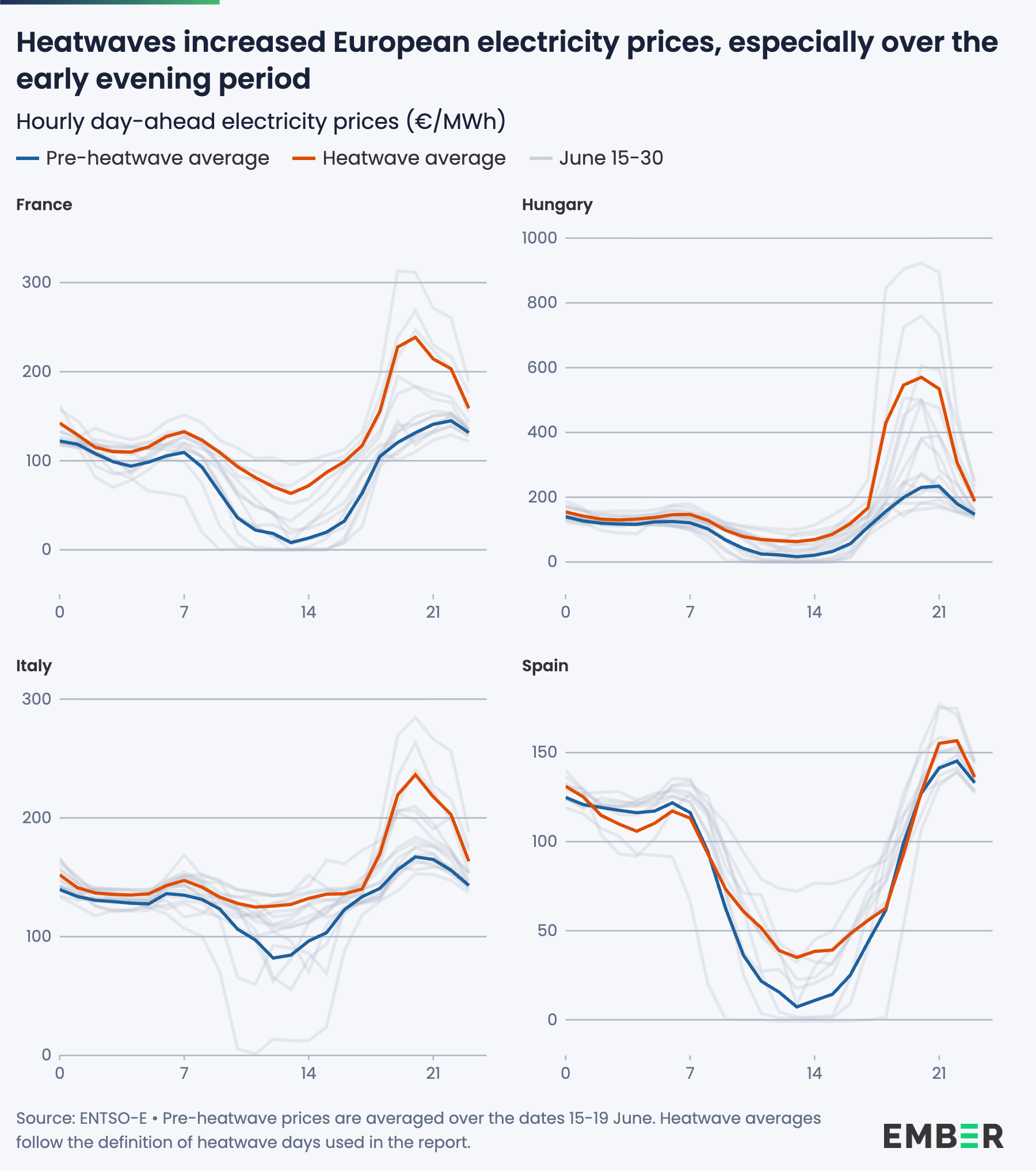
Electricity prices on the continent jumped by around 21% in recent days partly because of nuclear plant troubles, including a giant jellyfish swarm blocking pumps at a French nuclear power plant. Dwindling hydropower and a lack of wind in Germany have also caused headaches.
All in all, there’s been a real “supply crunch” as people keep air conditioners on well into the evening during hot weather, says Chris Rosslowe, senior energy analyst at Ember, an energy think tank. Yesterday, Rosslowe published an analysis of the situation and he spoke to me about his findings.
“We’ve seen some of the most extreme price spikes since had the gas crisis of 2022,” he notes. However, solar generation has risen significantly during heatwave conditions given the sunny weather and blackouts have largely been avoided. “The system is passing the test of these heatwaves so far,” argues Rosslowe.
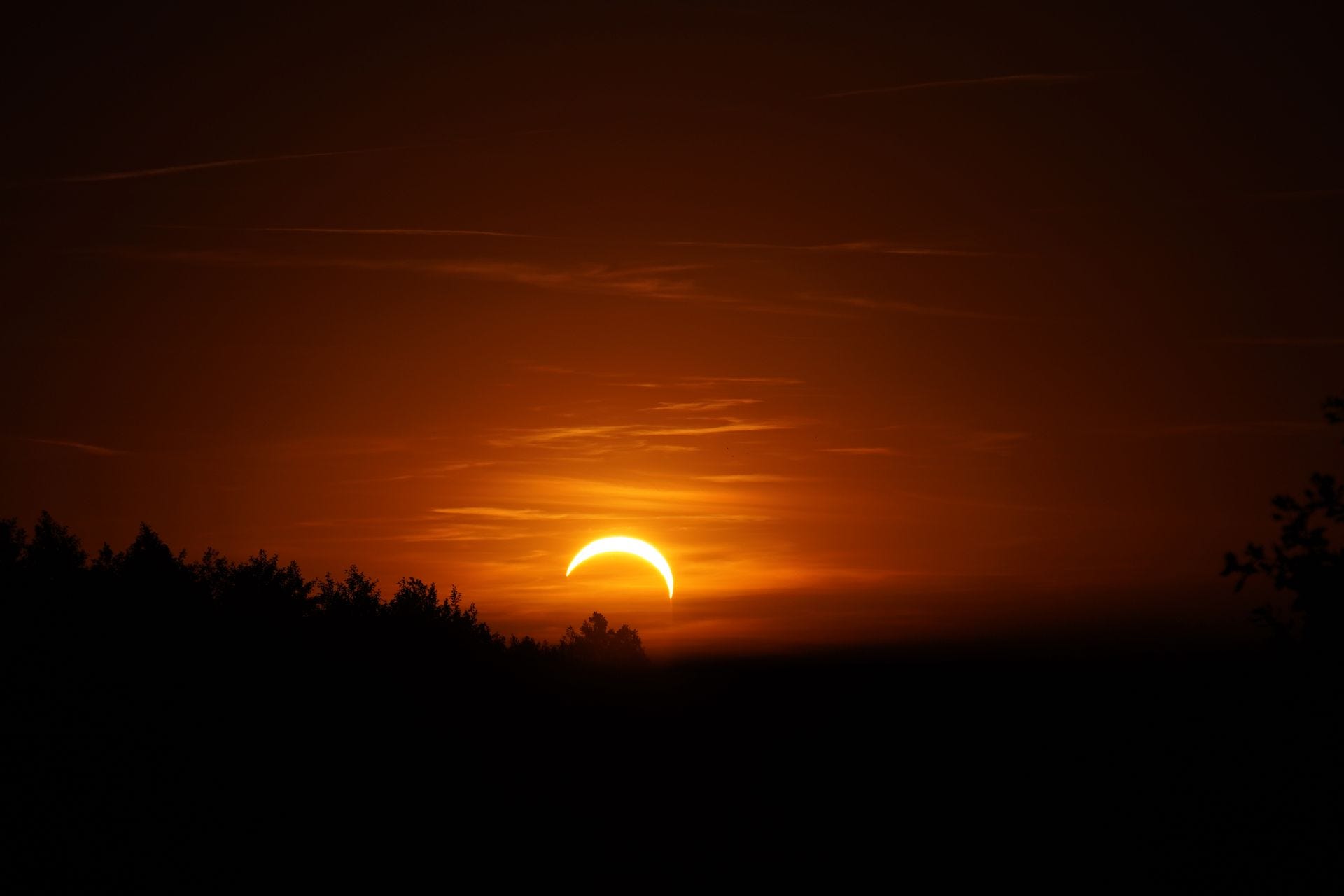
But don’t forget the eclipse. Stories suggesting that the – amazing – solar eclipse that occurred on Wednesday evening would impact electricity grids were initially met with scorn by some. I myself was highly sceptical that the brief fall in solar generation, predicted long in advance, would present any major problem to grid operators around Europe.
But the UK’s National Energy System Operator (Neso) actually put out a notice on Tuesday as a precautionary measure, given an anticipated shortfall of electricity on Great Britain’s grid. I spoke to Neso about this and they confirmed to The Reengineer that the notice was directly related to the eclipse, though clearly the sticky energy situation in Europe is crucial context for the notice.
The eclipse was simply one more factor on top of everything else, including high AC demand in a sweltering, drought-ridden Britain. Thankfully, Neso’s warning was later withdrawn and there were no reports of blackouts. “These heatwaves and this drought […] were not as predictable as the eclipse was,” says Rosslowe, noting that the onward situation facing Europe remains “precarious”.
How ironic, then. With the searing, scorching sun having greatly afflicted Europe, the chance flight of a shielding moon – unbelievably – almost made things even worse by curtailing energy from our star during one delicate, and magical moment.
Even the dance of celestial bodies seems poised to further highlight the climate crunch we’re in.
Team pump
Don’t miss my story for Wired on heat pump group-buy schemes, published on Monday. I spoke to one of the leaders of a new group-buy venture in California as well as customers who have obtained heat pumps in this way. As regular readers know, I write a lot about this technology but I am far from blind to the fact that the cost of heat pumps and the wildly varying quality of installations are huge barriers to deployment. Can group-buys solve that?
The Reengineer Monitor – Stories in climate change and adaptation from around the world
Sodium ion battery tech continues to intrigue. While potentially much cheaper and easier to produce than lithium ion batteries, people have long pointed out that sodium ion systems are far less energy dense. But now an international team of researchers say that densities of near 200 watt hours per kilogram in sodium ion system are emerging in prototypes. That’s not far off rivalling the latest lithium-ion batteries. PV Magazine has more details.
