

‘It was kind of a drama’: How Japan’s new cherry blossom chronicler stepped up
He will continue a 1,200-year record that reveals climate change

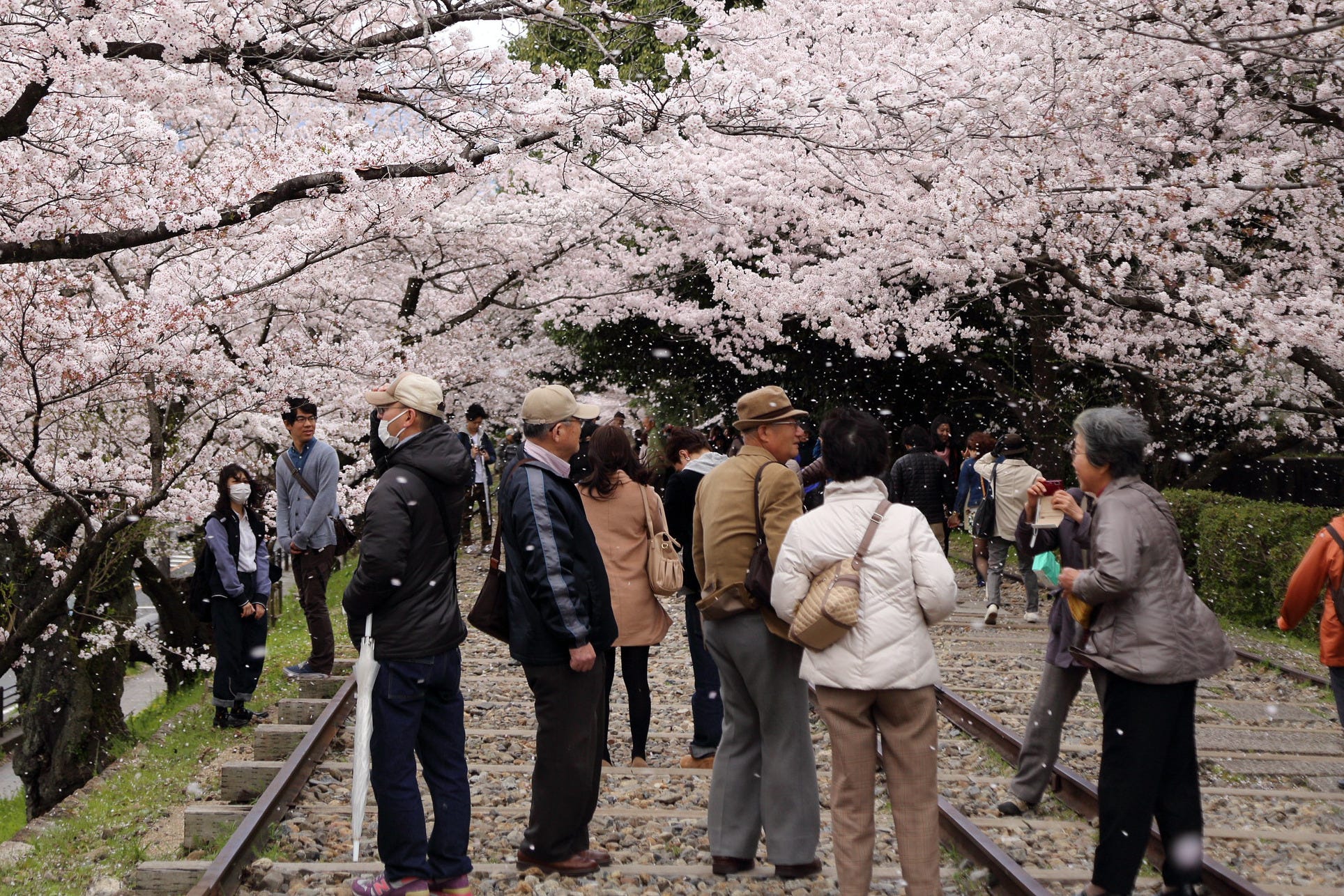
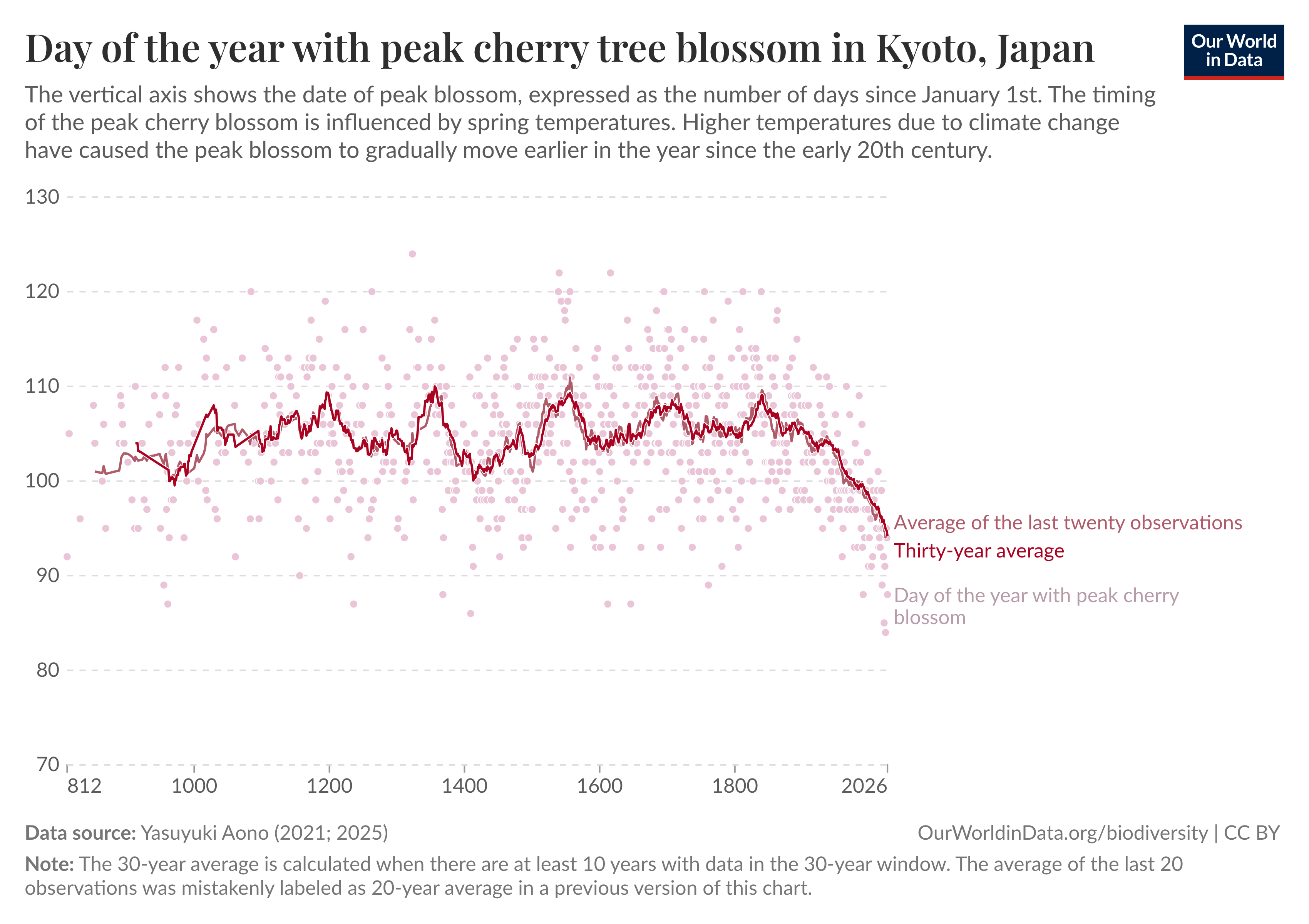
As spring began to unfurl in Japan this year, environmental biophysicist Genki Katata was wondering: “Who will track the cherry blossoms of Arashiyama?” For decades, researcher Yasuyuki Aono had recorded the spring flowering dates of cherry trees in that Kyoto district, revealing how the blossoms have appeared on increasingly earlier dates, on average, during the 20th and early 21st centuries. It’s a well-known proxy measure of climate change.
However, Aono died last August and, over the winter, no-one had emerged to carry on his work. Sources in Japan told me there were no obituaries of Aono, which surprised me, given the significance of his 1,200-year cherry blossom record. There’s a bitter irony to the fact that this devoted annalist seems to have died without many people noticing.
Katata, however, who works at the Canon Institute of Global Studies in Tokyo, was well aware of Aono’s death. In March this year, cognisant that some people would be keenly awaiting news of the 2026 cherry blossoms, he privately began looking for the same newspaper source that Aono had used to find such data in recent years. Reams of springtime forecasts and articles about cherry blossoms are available from all over Japan but Aono’s dataset captured the flowerings of a specific kind of cherry tree in Arashiyama. Where did he find that information?
A few weeks after Katata began his detective work to locate Aono’s source, a colleague serendipitously told him that the UK-based data platform Our World in Data was looking for someone to carry on Aono’s contributions. Tuna Acisu, a data scientist at the organisation, had put out a call on social media to this end in April.
I broke the news in a story for The Guardian last week that their hunt for a cherry blossom researcher had been successful. Our World in Data had made contact with Katata but, at the time my article was published, the arrangement had not yet quite been formalised so Katata asked me not to name him. Happily, the partnership is now official, however, and on Monday of this week Our World in Data updated their chart of cherry blossom flowering dates with Katata’s new entry for 2026: 29 March.
Sakura, sakura
Occurring on the 88th day of the year, that 29 March date represents one of the earliest peak flowering records in the entire series, which – rather astonishingly – reaches all the way back to 812. Aono had used court documents, diaries and other archival sources to estimate when historical cherry blossoms peaked in Arashiyama. Cherry blossoms, known as sakura in Japan, are “culturally important” says Katata. “They enable us to recognise that […] winter ends and spring comes.”
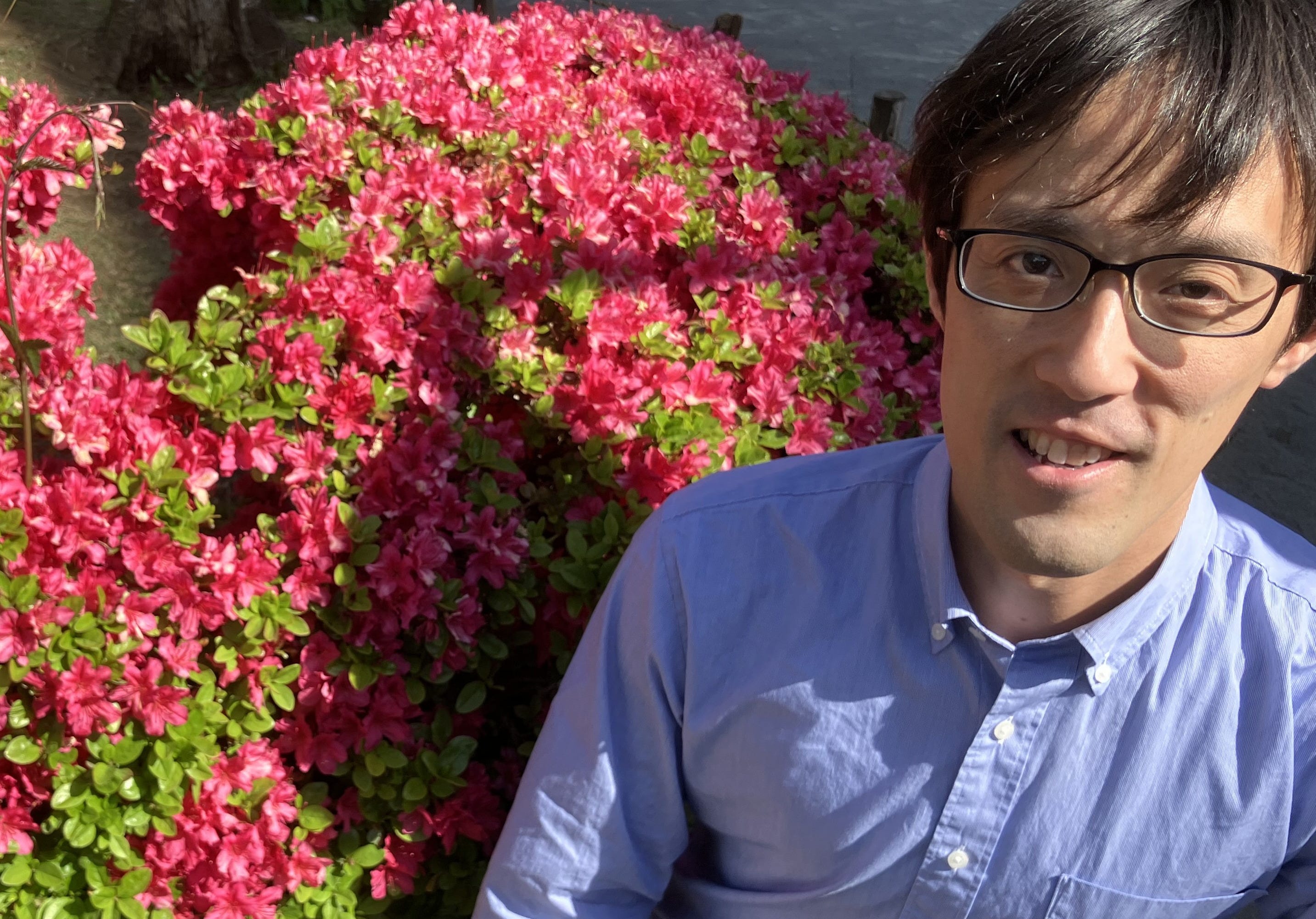
The same species of cherry, Prunus jamasakura or “mountain cherry”, is still prevalent in Arashiyama today, which is what makes continuing the long-term record possible. Katata tells me that, this year, the pretty pink blooms did not stick around for long, and were declining after just four days or so.
Aono had used a local newspaper to confirm peak cherry blossom dates in Arashiyama. However, the publication in question was not actually named in his studies or final updates. (A photo he posted to social media last April shows his spreadsheet, including the blank row for 2026 that he did not live to fill in.)
So, one of Katata’s key contributions was working out which local newspaper it was. He did this by heading to the library back in March and, through a careful process of deduction, he eventually found it. “I started monitoring [that] newspaper,” he explains, though he declines to reveal its identity just yet. The newspaper-reported dates form the basis of further research that Katata could potentially do on the data series, such as verifying those dates by analysing additional sources, or comparing the records to weather readings.
Katata adds that he is thrilled to be able to continue Aono’s legacy, however, he was taken aback by the sudden global interest in his efforts. “I was surprised,” he tells me. “It was kind of a drama.”
The flower press
I was intrigued that the contemporary cherry blossom flowering data is sourced from a local newspaper. Katata explains that this sort of information is commonly included in newspapers around Japan. Readers may wonder why he wouldn’t gather the data more directly, or through some high-tech method – a webcam trained on cherry trees in Arashiyama, for example. Katata says he sought to maintain the same approach used by Aono.
When I ask Acisu, at Our World in Data, about this she says, “[When] working with long-run data sets, methodological consistency is always a very high priority. Being able to continue the series using the same sources is the best case scenario in my opinion.”
The only way Aono could have accumulated flowering data from many centuries ago was through archival records. Switching to completely different data sources for today’s updates could have made the methodological change visible in the data, detracting from the overall picture. Therefore, Katata’s approach allows him to preserve not just the spirit, but also the method, of Aono’s work.
The cherry blossom data is just one example of phenology, the study of seasonal effects or occurrences. Various other such records also carry the signature of climate change. In 2019, researchers published a more than 650-year-long dataset of grape harvests in France, covering the period from 1354-2018. It shows a sharp deviation during recent decades, another climate signal.
In Japan, society is gradually coming to terms with climate change’s impact on ecosystems and everyday life. I mean that literally – there is actually a new word in Japanese, announced last week, for days when temperatures climb above 40C: kokushobi. It means “brutally hot” or “cruelly hot”.
When I ask Katata what he thinks about climate change in Japan, he emphasises that understanding the phenomenon through scientific studies is really important, and also that few actually take the time to comb through a wide range of data sources.
“There aren’t many people like Aono-san,” says Katata. “We really need to do that [kind of work] – to understand the current climate.”
Further reading on this week’s story
Richard Primack, a professor of biology at Boston University, met Yasuyuki Aono in 2006 and wrote a very interesting article about the experience. You can find it online here.
A Guardian editorial referencing my cherry blossom story highlights the economic significance of the blooms: “Japan’s tourism industry relies on the $9 billion a year generated by cherry blossom season. Such is the craze in the country that a town near Mount Fuji cancelled this year’s festivities because it was being overrun by visitors in search of ‘Instagrammable’ spots.”
Another signal of climate change appears to have turned up in temperature and humidity records written down by church organ tuners, as The Reengineer revealed last year.
Thanks for reading! If you enjoyed this story, don’t forget to share it with your friends and colleagues. You can also subscribe to The Reengineer and follow me on Bluesky.